
The Secret Sauce Behind Great Language Services
Relying only on AI for translation? Speed is great—but nuance matters.
This blog shows why human expertise is key to accurate, culturally sensitive translations that build trust and connect with global audiences.
July 18, 2025
In today’s fast-paced world of language technology and AI-powered translation tools, there’s one thing that remains irreplaceable: the human element.
You might have seen it — a translation that’s technically accurate but sounds robotic, flat, or even confusing? That’s where the magic of human expertise in language services steps in.
Language isn’t just about words — it’s about culture, emotion, context, and those subtle cues that machines often miss. Even with the advances of AI translation, human intervention remains critical for creating communication that feels authentic, empathetic, and truly resonates with audiences.

Why Human Expertise Still Matters in Translation
AI translation tools like machine translation engines are amazing at processing large volumes of text quickly. They’re fantastic for initial drafts, repetitive tasks, and high-speed content generation.
But effective language services go beyond speed — they demand understanding.
Imagine launching a marketing campaign filled with clever wordplay, jokes, or cultural references. Sure, AI might deliver a grammatically correct translation.
But will it capture the humor?
The emotional impact?
The cultural nuance?
Without human review and refinement, your global (or even regional) messaging risks falling flat — or worse, causing offense.
In fields like marketing, legal translation, medical translation, and customer support localization, a slight misinterpretation can lead to costly errors, reputation damage, or lost trust.
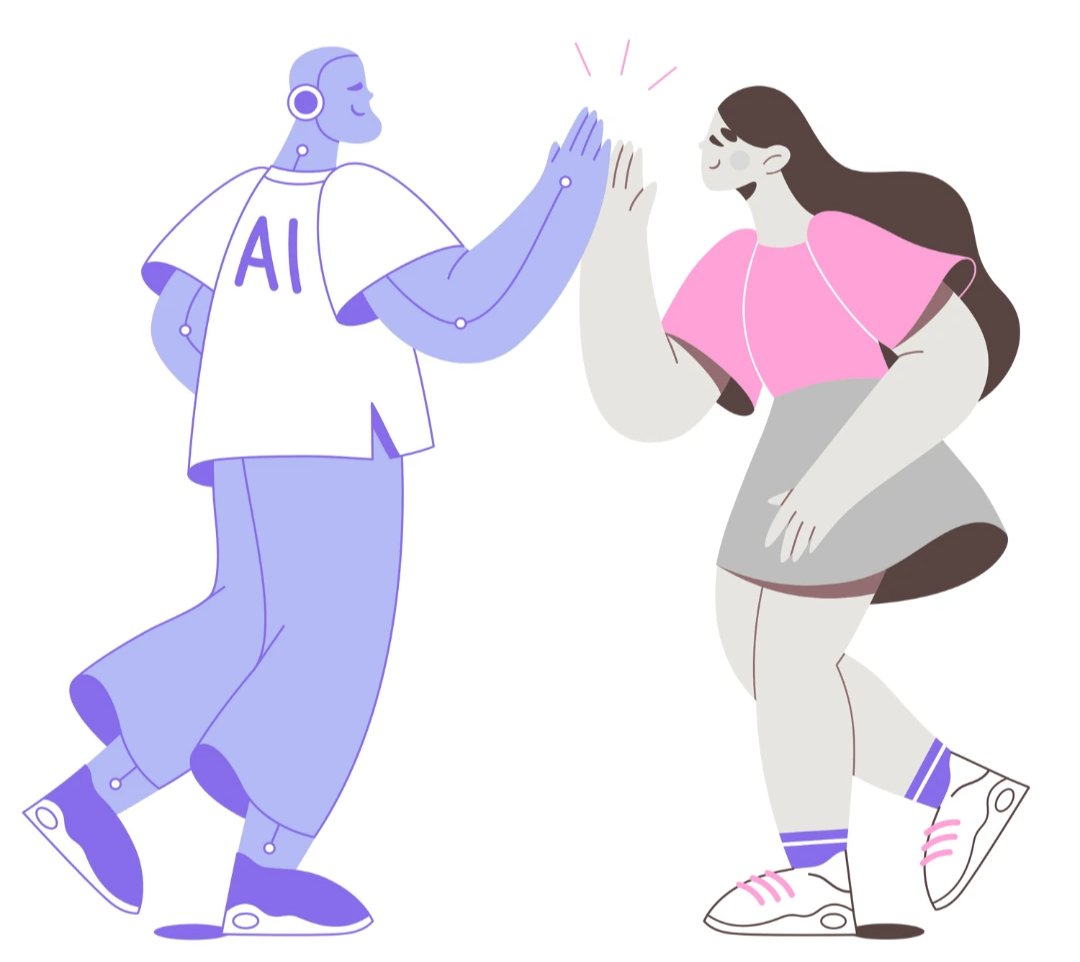
This is why language services with human-AI collaboration, like what we champion at Vakyah.ai, create the best results: speed + empathy + precision.
The Unique Strengths Only Human Linguists Bring
Here’s where humans shine, and why they’re vital for high-quality translation services:
1. Understanding Context
Humans grasp not just words, but the full situation behind them — speaker intent, cultural backgrounds, emotional undertones.
While AI translation tools are improving, they still can’t fully replicate this deep level of understanding.
2. Handling Ambiguity
Languages are naturally ambiguous. A single word might have multiple meanings depending on the context.
Human translators can instinctively resolve these ambiguities — ensuring that your meaning stays crystal clear.
3. Capturing Tone and Emotion
Sarcasm, irony, humor, and subtle shifts in tone are tricky even for native speakers!
Human linguists pick up on these effortlessly, ensuring that translations reflect the original tone — whether it’s playful, serious, persuasive, or compassionate.
4. Cultural Sensitivity
Language is intertwined with culture. A “perfect” literal translation might still completely miss cultural appropriateness.
Native-speaking human translators make sure your message resonates emotionally and respectfully with local audiences.
5. Transcreation and Adaptation
When direct translation just won’t do, human translators adapt creatively — rephrasing slogans, reimagining metaphors, or finding culturally relevant expressions to keep the intended emotional impact intact.
This process, known as transcreation, is essential for marketing, branding, and storytelling success across regions.
Why Human-AI Collaboration Is the Future of Translation
As we’ve explored, AI language tools can process massive volumes of text with speed and efficiency — but speed isn’t everything when it comes to global communication. The real magic happens when technology and human insight work together.
At Vakyah.ai, we champion this human-AI synergy. Our platform enables businesses to use AI-powered translation workflows, while still relying on human linguists to bring in cultural sensitivity, emotional nuance, and industry expertise — things no algorithm can truly replicate.
Because at the end of the day, translation is more than words. It’s about:
- Making people feel understood in their own language
- Avoiding cultural missteps that could damage your brand
- Creating authentic connections with your audience
Ultimately, while AI language services are incredibly powerful tools, they are just that — tools. The human brain, with its ability to understand context, nuance, and culture, remains the essential ingredient for truly effective and impactful communication across languages.
It’s not about choosing one over the other. It’s about leveraging the best of both worlds to connect on a deeper, more meaningful level. And that’s a connection no purely AI-driven solution can replicate.
Want to Learn More?
Explore how to choose the right Language partner for your multilingual goals.
Download our free guide: Decoding Your Perfect Language Match

